8:00 am - 5:00 pm - Sat - Sun
-
-
-
Shop no 43, aamrapali complex, sec 12 Noida
8:00 am - 5:00 pm - Sat - Sun
Shop no 43, aamrapali complex, sec 12 Noida

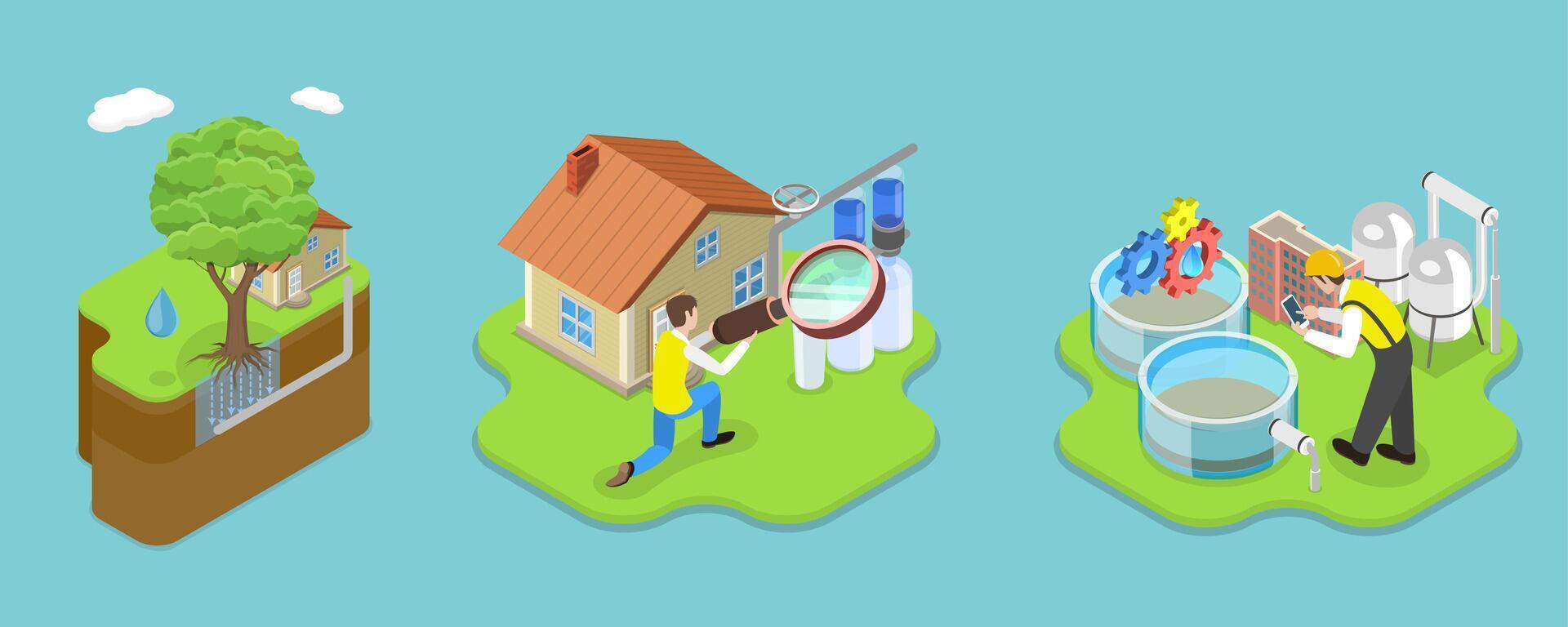
In today’s rapidly industrializing world, pollution has emerged as one of the most pressing challenges for the environment and human health. Industries, while driving economic growth, are often major contributors to air, water, and soil pollution. This makes effective pollution control measures not just a regulatory requirement but also a moral and economic imperative.
Environmental and Health Impacts
Industrial pollution can have severe consequences on both the environment and public health. Untreated industrial effluents discharged into rivers and lakes can contaminate drinking water sources, adversely affecting aquatic life and human populations. Air emissions from factories, including particulate matter, carbon monoxide, and harmful gases, contribute to respiratory problems, cardiovascular diseases, and climate change. Soil contamination from industrial waste reduces soil fertility and can enter the food chain, posing further health risks. Therefore, implementing pollution control mechanisms is essential to safeguard the ecosystem and human well-being.
Regulatory Compliance
Governments worldwide have established stringent regulations to control industrial pollution. Organizations like the Central Pollution Control Board (CPCB) in India monitor and regulate pollution levels, ensuring industries adhere to environmental norms. Obtaining certifications such as Pollution NOCs and adhering to discharge limits are mandatory steps. Failure to comply can result in penalties, legal action, and reputational damage. By prioritizing pollution control, industries not only avoid legal repercussions but also demonstrate a commitment to corporate social responsibility.
Technological Solutions for Pollution Control
Modern industries are adopting advanced technologies to minimize their environmental footprint. Effluent Treatment Plants (ETP) and Sewage Treatment Plants (STP) play a critical role in treating wastewater before it is released into natural water bodies. Air pollution control devices, such as scrubbers, electrostatic precipitators, and dust collectors, help in reducing emissions. Sustainable waste management practices, including recycling and reuse, further contribute to lowering pollution levels. By integrating these technologies into their operations, industries can ensure compliance while promoting environmental sustainability.
Economic and Social Benefits
Investing in pollution control also brings economic and social advantages. Efficient treatment systems reduce waste disposal costs and improve resource utilization, resulting in long-term savings. Additionally, businesses that prioritize environmental protection gain consumer trust and enhance their brand reputation. Communities benefit from cleaner air, water, and soil, leading to improved public health and quality of life. Thus, pollution control is not merely an environmental necessity but a strategic business decision.
Towards a Sustainable Future
As global awareness about climate change and environmental conservation grows, industries must embrace sustainable practices. Pollution control is a critical component of sustainability, ensuring that economic development does not come at the expense of the environment. By implementing strict pollution control measures, adopting modern technologies, and complying with regulations, industries can play a pivotal role in building a greener and healthier planet.
In conclusion, pollution control in modern industries is essential for protecting human health, preserving natural resources, ensuring regulatory compliance, and promoting sustainable economic growth. It is not only an obligation but also an opportunity for industries to lead the way toward a cleaner and more sustainable future.
If you want, I can also create a SEO-optimized version of this blog with keywords like “ETP/STP solutions,” “industrial pollution control,” and “environmental compliance” to boost website traffic.
Do you want me to do that?
You said:
Sustainable Practices for Water Management 500 words
ChatGPT said:
Here’s a 500-word blog content for your title: “Sustainable Practices for Water Management”:
Sustainable Practices for Water Management
Water is one of the most valuable resources on our planet, yet it is under immense pressure due to increasing population, industrialization, and climate change. Sustainable water management is essential to ensure that industries, communities, and ecosystems have access to clean and safe water for the long term. Modern water management practices focus on conserving resources, reducing pollution, and complying with environmental regulations.
The Need for Sustainable Water Practices
Over-extraction and contamination of water sources have created serious challenges globally. Industrial effluents, untreated sewage, and improper waste disposal contribute significantly to water pollution. Excessive withdrawal of groundwater through borewells can lower water tables, causing scarcity for both communities and agriculture. These issues highlight the importance of adopting sustainable water practices that balance human needs with environmental protection.
Effluent Treatment and Sewage Management
One of the key components of sustainable water management in industries and urban settings is the implementation of Effluent Treatment Plants (ETPs) and Sewage Treatment Plants (STPs). ETPs treat wastewater generated by industrial processes to remove harmful chemicals, heavy metals, and other pollutants before discharge. Similarly, STPs process domestic sewage, making it safe for reuse or safe release into water bodies. Properly managed treatment systems not only reduce water pollution but also help industries and municipalities meet regulatory requirements.
Water Conservation Techniques
Sustainable water management also emphasizes conservation. Rainwater harvesting is an effective way to recharge groundwater and reduce dependency on external water sources. Industries can adopt water recycling and reuse practices to minimize freshwater consumption. Techniques such as using treated wastewater for cooling, cleaning, and irrigation reduce pressure on natural water resources. Additionally, monitoring water usage and fixing leaks promptly can lead to significant water savings.
Regulatory Compliance and Permissions
Complying with water-related regulations is crucial for both industries and individuals. Obtaining Borewell Permission ensures responsible extraction of groundwater, preventing overuse and depletion. Environmental authorities mandate limits on water withdrawal and discharge, and adherence to these regulations safeguards communities and ecosystems. Sustainable water practices align with these legal requirements while promoting responsible resource management.
Community and Environmental Benefits
Sustainable water management practices have far-reaching benefits beyond regulatory compliance. By treating wastewater and reducing pollution, industries protect aquatic ecosystems and public health. Communities benefit from reliable water supply and improved quality of life. Conserving water also helps mitigate the effects of droughts and climate variability. These practices contribute to building resilient, sustainable societies that can thrive without compromising future generations’ access to water.
Conclusion
Water is a finite and essential resource, and sustainable management is no longer optional. By implementing advanced treatment systems, adopting water conservation techniques, complying with regulations, and promoting responsible usage, industries and communities can ensure long-term availability of clean water. Sustainable water management is a shared responsibility, and every effort to conserve, treat, and reuse water contributes to a healthier environment and a more sustainable future.
Quality Services provider