8:00 am - 5:00 pm - Sat - Sun
-
-
-
Shop no 43, aamrapali complex, sec 12 Noida
8:00 am - 5:00 pm - Sat - Sun
Shop no 43, aamrapali complex, sec 12 Noida

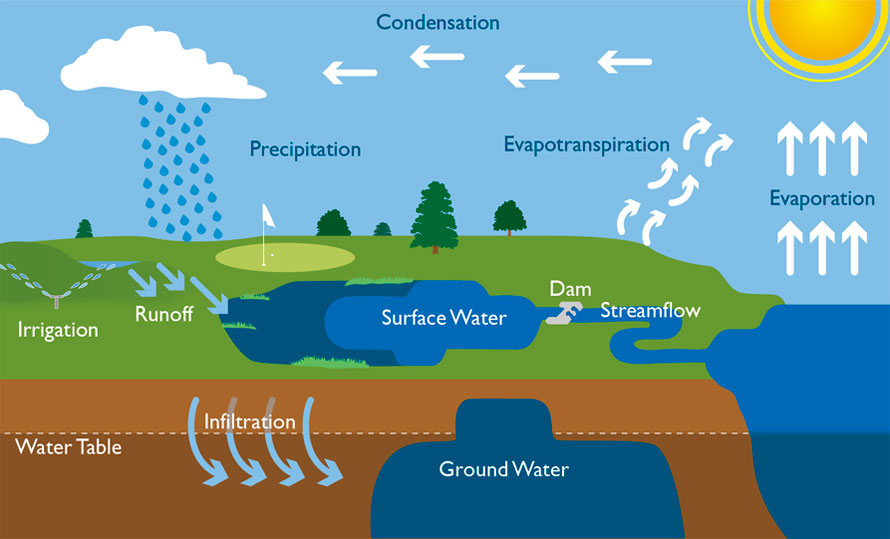
Groundwater is an important source of water for industries, commercial buildings, residential societies, construction projects, hospitals, hotels and institutions. However, increasing urbanisation and groundwater demand have made groundwater extraction a regulated activity.
If you are planning to install a borewell or extract groundwater for your project in Noida, obtaining the applicable groundwater permission or NOC is an important part of environmental compliance. The regulatory framework and application route should be checked according to the current requirements of the competent groundwater authority.
In this guide, we explain the Ground Water Extraction in Noida process, documents, technical requirements, compliance and common questions.
Ground water extraction permission is an official approval that allows an eligible project or establishment to withdraw groundwater through sources such as borewells or tubewells.
The authority evaluates factors such as the project's location, purpose of groundwater use, proposed extraction quantity, existing water sources and groundwater conservation measures.
For projects requiring technical assessment, hydrogeological studies may also be required. CGWB states that accredited groundwater professionals can be used for hydrogeological surveys and reports where applicable.
Noida has experienced rapid industrial, residential and commercial development, increasing pressure on groundwater resources. Regulation helps ensure that extraction remains controlled and that groundwater recharge and conservation measures are considered.
Obtaining permission can help businesses and project owners:
Maintain environmental compliance
Avoid unauthorised groundwater extraction
Support sustainable water management
Complete required documentation for regulatory approvals
Reduce the risk of penalties or other regulatory action
Groundwater approval requirements can apply to different types of projects, including:
Manufacturing and industrial units
Construction and infrastructure projects
Commercial buildings
Hotels and hospitals
Educational institutions
Warehouses and logistics facilities
Residential societies and group housing projects
Other establishments using groundwater
The exact requirement depends on the nature, location and groundwater use of the project.
First, calculate the total amount of water required for the project.
The assessment should clearly identify:
Daily water requirement
Groundwater requirement
Domestic water consumption
Industrial or process water requirement
Alternative water sources
Proposed groundwater extraction quantity
A realistic water balance helps prevent discrepancies during application scrutiny.
Groundwater regulations can depend on the location and category of the groundwater assessment unit. The applicable approval route should therefore be verified before submitting the application.
Current CGWA guidance lists Uttar Pradesh among the states where groundwater extraction is regulated.
Depending on the project, technical documents may include a hydrogeological report, groundwater assessment, water balance and details of proposed/existing borewells.
For projects crossing specified extraction thresholds in certain groundwater categories, CGWB guidelines may require impact assessment and groundwater modelling prepared by accredited professionals.
Groundwater extraction should be accompanied by appropriate groundwater conservation measures.
A rainwater harvesting and recharge plan can demonstrate how the project intends to compensate for groundwater withdrawal and improve water sustainability.
Common documents may include:
Applicant/company details
PAN and identification documents
Land ownership or lease documents
Site location map
Project layout
Water requirement calculation
Water balance statement
Borewell details
Hydrogeological report, wherever applicable
Rainwater harvesting/recharge plan
Environmental approvals or pollution-control documents, wherever applicable
Details of existing groundwater sources
The exact document list can vary according to the project category and applicable regulations.
After preparing the technical and supporting documents, the application is submitted through the applicable government groundwater approval mechanism.
All information should be checked carefully before submission because incorrect or inconsistent information can cause queries, delays or rejection.
The competent authority reviews the submitted information and supporting documents.
During scrutiny, authorities may evaluate:
Proposed groundwater quantity
Project requirement
Groundwater conditions
Borewell details
Recharge measures
Existing groundwater sources
Environmental compliance
Additional information or clarification may be requested where necessary.
Depending on the project and regulatory process, site inspection or technical verification may be required.
The project site should therefore have proper documentation and groundwater-related infrastructure in accordance with the submitted application.
Once the application is approved, the applicant must follow the conditions mentioned in the permission/NOC.
Approval should not be treated as a one-time formality. Groundwater extraction, recharge systems, records and other compliance requirements should be maintained throughout the validity period.
Getting permission is only one part of groundwater compliance. Project owners should also maintain proper records and follow the conditions imposed by the authority.
Important compliance activities may include:
Monitoring groundwater extraction
Maintaining water consumption records
Operating recharge/rainwater harvesting systems
Maintaining borewell-related records
Following approved extraction limits
Submitting required compliance information
Applying for renewal before expiry, where required
Unauthorised groundwater extraction can create significant regulatory and financial risks. Depending on the applicable law and circumstances, action may include penalties, environmental compensation, notices, restrictions on extraction or other enforcement measures.
Therefore, businesses should obtain the required approval before starting groundwater extraction rather than attempting to regularise an unauthorised source later.
Applying for groundwater permission involves technical documentation, water calculations and regulatory compliance. An experienced environmental consultant can help simplify the process.
Shubhi Enviro India provides environmental compliance and groundwater-related consultancy services, including assistance with groundwater extraction and borewell permissions in Noida and surrounding areas. Its website lists groundwater extraction, borewell permission, Pollution NOC and other environmental compliance services.
The consultancy process can include:
Project requirement assessment
Documentation support
Water balance preparation
Groundwater-related technical documentation
Application assistance
Compliance guidance
Follow-up and clarification support
For Ground Water Extraction in Noida, professional documentation can help make the approval process more organised and reduce avoidable errors.
Obtaining Ground Water Extraction Permission in Noida is an important step for projects that depend on groundwater. From calculating water requirements and preparing technical reports to submitting the application and maintaining post-approval compliance, every stage needs proper attention.
Because groundwater regulations and application requirements can change, applicants should verify the current requirements with the competent authority before filing. For professional assistance with Ground Water Extraction in Noida, Shubhi Enviro India can help with documentation and environmental compliance support.
Groundwater extraction is regulated, and applicable projects need the required approval before extracting groundwater. The exact requirement depends on the project and applicable regulatory category.
Industries, commercial establishments, construction projects, institutions, hospitals, hotels and larger residential developments may require groundwater approval depending on their groundwater use and applicable regulations.
A borewell used for groundwater extraction may require permission from the competent authority. It is advisable to verify the current requirements before drilling or using a borewell.
Documents can include project details, land documents, site layout, water requirement calculations, water balance, borewell details, technical/hydrogeological reports and groundwater recharge plans, depending on the project.
It may be required depending on the project, groundwater category and proposed extraction quantity. CGWB guidelines specifically provide for hydrogeological surveys and technical reports in applicable cases.
Yes. Groundwater conservation and recharge measures are an important part of responsible groundwater management, and applicable projects may need to provide suitable recharge arrangements.
The possibility of regularisation depends on the applicable regulations, project circumstances and authority requirements. An existing unauthorised borewell should not be assumed to be automatically legalised.
The first step is to determine the applicable regulatory route, calculate the project's groundwater requirement and prepare the required technical and supporting documents. The application can then be submitted through the applicable government mechanism.
Yes. Shubhi Enviro India provides groundwater extraction and borewell permission assistance along with other environmental compliance services.
Professional assistance can help with water calculations, technical documentation, application preparation, compliance requirements and regulatory follow-up, reducing the possibility of avoidable documentation errors.
Quality Services provider